When Is the Best Time to Build a House? Seasonal Pros, Cons, and What to Expect
November 26, 2025
One of the most common questions we hear from future homeowners is: When is the best time to build a house? It’s a smart question, because timing has a direct impact on your construction schedule, material costs, labor availability, and how smoothly your project runs from start to finish.
Here in Florida, where humidity, heavy rains, and hurricane season can all play a role, choosing the right time of year to break ground takes more than just picking a month. With decades of experience managing custom home builds and renovations, we help clients understand how seasonal factors, permitting processes, and personal timelines all work together to determine the best approach for their project.
Let’s explore how the seasons affect your homebuilding experience, and how you can plan wisely no matter when you start.
How Seasonal Weather Impacts Home Construction
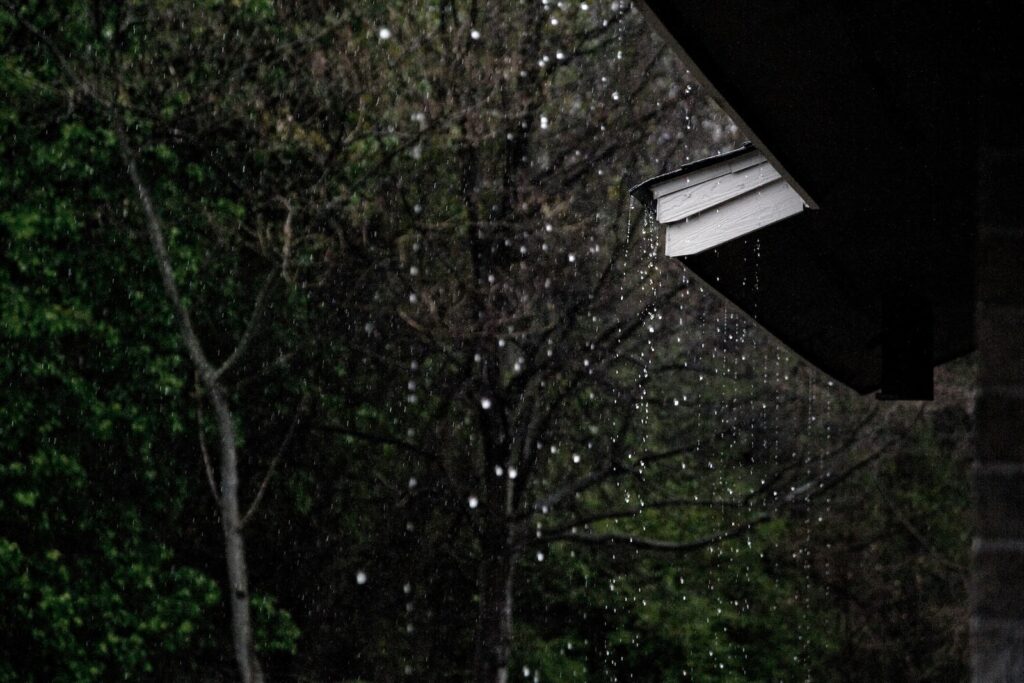
Climates (especially in Florida) can shift quickly, and while we’re fortunate not to deal with freezing ground like northern states, rain, humidity, and storms still present challenges. Construction schedules need to adapt to these conditions, especially in the early phases.
- Winter and early spring are typically the driest months in Florida. These conditions are ideal for excavation, pouring foundations, and framing, phases that are highly sensitive to moisture.
- Summer and fall tend to bring more frequent storms and humidity, which can delay exterior work like roofing or siding.
- Even a single rainstorm can pause site work for days if the ground becomes too saturated.
That’s why many homeowners find that aligning their build or home renovation with Florida’s drier season often helps keep things moving more predictably.
Why Winter Is Often Seen as the Best Time to Build a House
For many custom home builders, including us, winter through early spring is often the best time to build a house, especially in Florida.
Here’s why:
- Consistently dry weather allows for better momentum in foundational and structural phases.
- Fewer weather-related delays can mean a shorter overall timeline.
- Cooler temperatures improve working conditions for crews, supporting better productivity.
- Material handling and storage are simpler and safer in dry conditions.
- It’s easier to schedule trades consistently when projects stay on track.
Starting your project in the winter can also position your home for completion by summer or early fall, ideal for families aiming to move in before the school year or the holidays.
Benefits of Building in Spring or Summer

While winter is ideal in many ways, spring and summer builds can offer their own set of advantages.
- Longer daylight hours allow trades to get more done each day.
- Exterior work like roofing and siding often moves quickly during dry stretches in late spring and early summer.
- Families who start building in spring can often move in before the holidays, aligning with life events like job transitions or new school years.
It’s important to note that rain and humidity can cause delays during this time, especially in the early stages. But once the home is “dried in” (roofed and enclosed), interior work continues uninterrupted.
Fall Construction: A Quiet Yet Advantageous Window
Fall might not be the first season homeowners consider, but it can actually offer some hidden benefits.
- Trade schedules may be more open as peak summer activity winds down.
- Material costs may stabilize, especially toward the end of the fiscal year.
- Permitting offices in some municipalities tend to be less backlogged after the summer rush.
Fall construction can also be a great option for homeowners who want to break ground before year-end and position their build for a spring or early summer move-in.
Timing Considerations Beyond the Weather
Seasonal weather is important, but it’s not the only factor that shapes your project’s timeline.
When helping clients decide when to build, we also look at:
- Material availability: Certain products (like windows, roofing, or specialty materials) may have longer lead times during high-demand months.
- Labor availability: Subcontractor schedules can book quickly in spring and summer.
- Permitting: Florida municipalities have varying timelines, some as short as a few weeks, others stretching into months depending on volume and complexity.
- Financing: If you’re locking in an interest rate or planning around a mortgage approval, timing is key.
- Personal schedules: School calendars, job changes, and relocation plans should all be part of the conversation.
Our role is to answer home-building questions and balance all of these moving parts with your goals, so your build stays on track and stress stays low.
Why Planning Ahead Matters More Than Picking a Perfect Month

At the end of the day, the best time to build a house isn’t just about the season, it’s about the preparation.
We believe that success in construction comes from:
- A thoughtful design agreement that clearly outlines your vision
- Detailed planning before ground is ever broken
- Consistent, proactive communication through every phase of the build
When those pieces are in place, we can work around weather, supply timelines, and any other curveballs that come with real-world construction.
Building at the Right Time for Your Vision
There’s no one-size-fits-all answer to the question of when to build a house, and that’s a good thing. Whether you’re planning ahead for next winter, looking to break ground this spring, or exploring your options for later in the year, every season offers opportunities when you have the right team and timeline in place.
At Sterling Homes, our team walks clients through these decisions every day, helping them understand their options and move forward at the pace that feels right. With careful planning, open communication, and skilled craftsmanship, you can start building confidently, whenever the time is right for you.
Frequently Asked Questions
1. What is the best time to build a house?
Many builders consider winter through early spring the best time to build a house in Florida because the weather is typically drier and more predictable. These conditions help keep early construction phases, such as foundation work and framing, on schedule. However, with proper planning and a well‑managed team, successful builds can begin in any season.
2. Is it cheaper to build a house at certain times of the year?
Costs can fluctuate depending on material availability, demand, and labor schedules. Some homeowners may see more competitive pricing in the fall or early winter, when the industry is slightly less busy. That said, the biggest long‑term savings usually come from planning ahead, preventing delays, and choosing the right materials, not from timing alone.
3. How does Florida’s weather affect the homebuilding timeline?
Florida’s rainy season, humidity, and storm activity can slow early construction stages such as grading, foundation work, and roofing. Dry seasons generally mean fewer interruptions. Once a home is dried in (roofed and enclosed), interior work is far less affected by weather.
4. How long does it typically take to build a house?
Most custom homes take 8–12 months from breaking ground, depending on size, design complexity, permitting timelines, and weather. Homes with extensive customization or specialty materials may take longer, while smaller homes can move more quickly. Starting with a detailed plan helps ensure a smoother timeline.